Furniture for the rooms you actually live in
We make beds, dressers, tables, and storage for anyone setting up a room and keeping it organized. Across 364 pieces in nine departments, we build from engineered wood, upholstered fabric, and metal. You will find storage drawers beneath frames, power outlets by headboards, and LED lighting where it helps. We started with one bed that held its own storage, and we grew from there.
Departments
Nine departments, one JOCOEVOL range
This is our full catalogue. Three hundred and sixty-four pieces of furniture across nine departments, and every one lists its dimensions so you can measure before you buy.
We started with bed frames that hold storage underneath without squeaking six months later. That led us to dressers, then desks, then dining tables and outdoor pieces. Now we cover most rooms in a house.
You will find seventy-nine bed frames here. Sixty-nine dressers and chests. Thirty-six bunk and loft beds. Our dining room department is the largest at one hundred and one pieces. We also carry living room seating, office desks, storage cabinets, flooring tiles, and garden furniture.
Over a hundred of our models include built-in lighting or power outlets near the bedside. Most bed frames come with a headboard or drawer options listed. Materials range from engineered wood and upholstered fabric to metal frames.
The range
Beds, bunks and the storage under them
Where the range started: 100 frames across four mattress sizes.

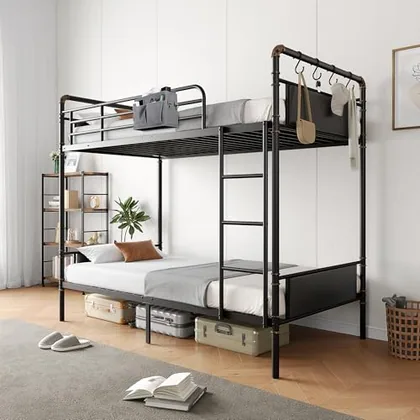
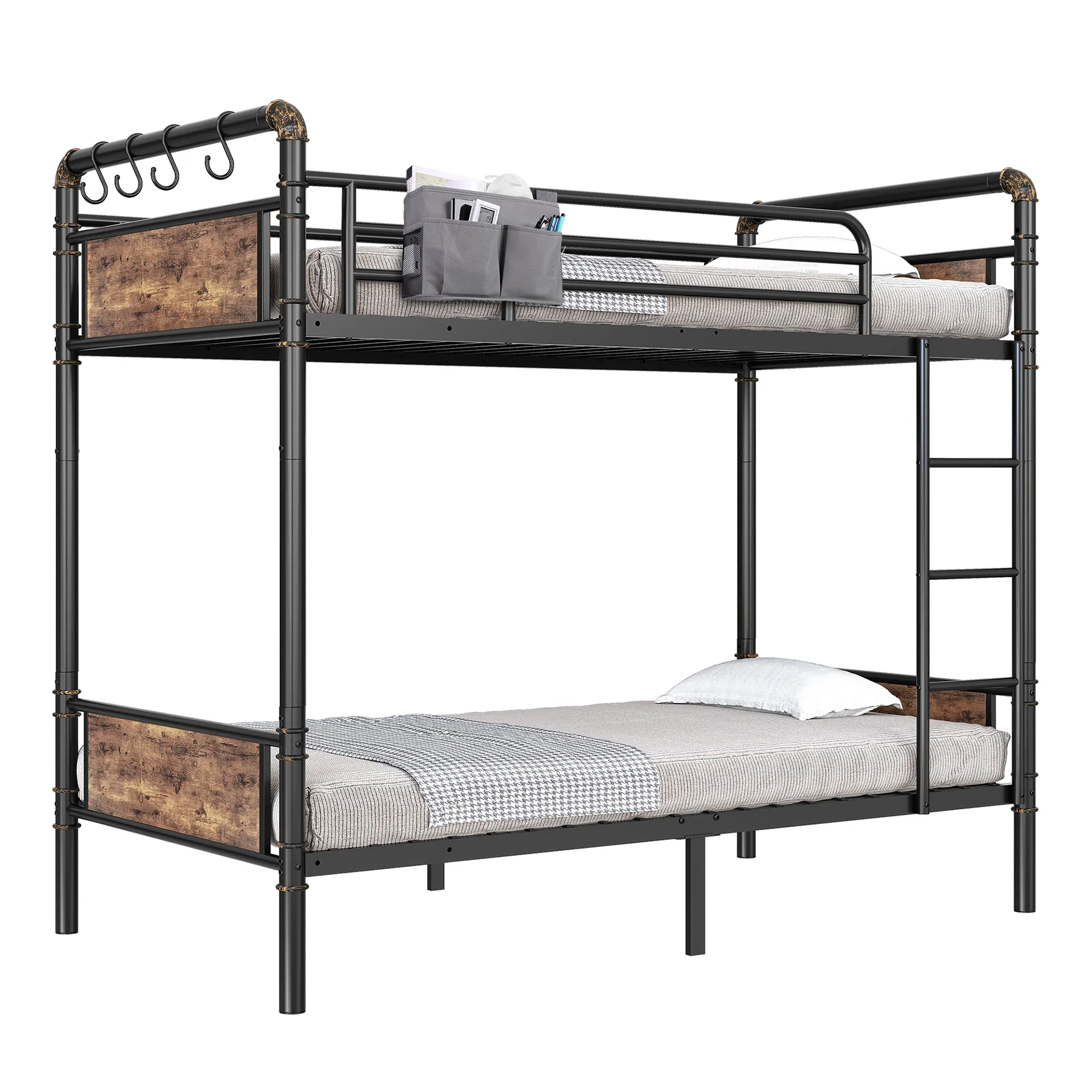
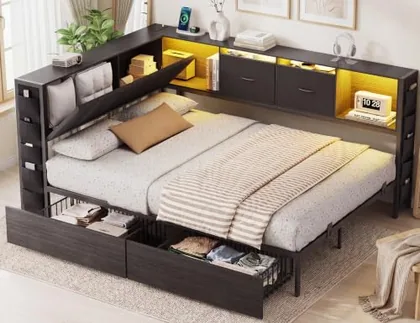
Metal Bunk Bed Twin Over Twin with 2 Storage Drawers
Twin2 drawersmetal
$288.85LED
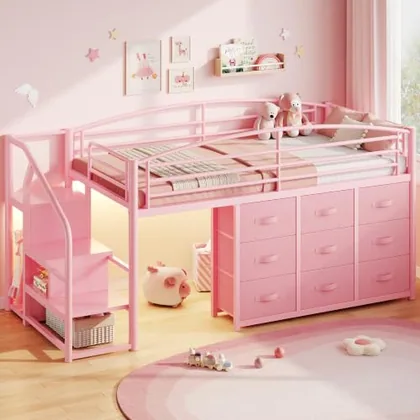
Low Loft Bed with 9 Storage Drawers
4.6(14)Twin9 drawersmetal
$243.99LED
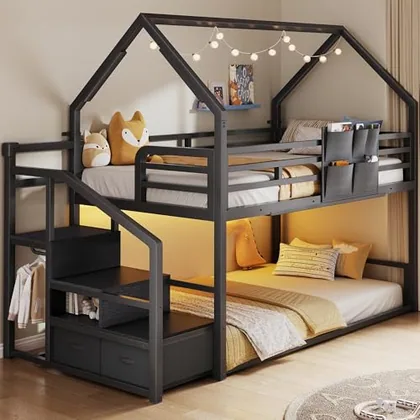
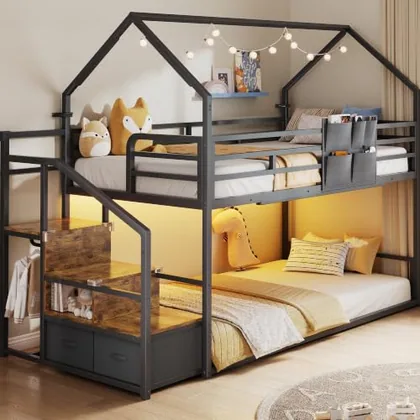
Metal Bunk Bed Twin Over Twin with Storage Staircase
4.3(46)Twin2 drawersmetal
$239.39LED
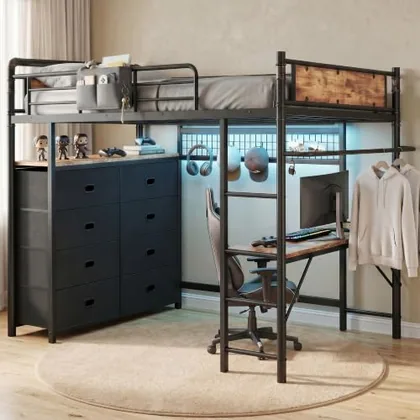
Twin Loft Bed with Desk and 8 Storage Drawers
5.0(2)Twin8 drawers
$237.38LED
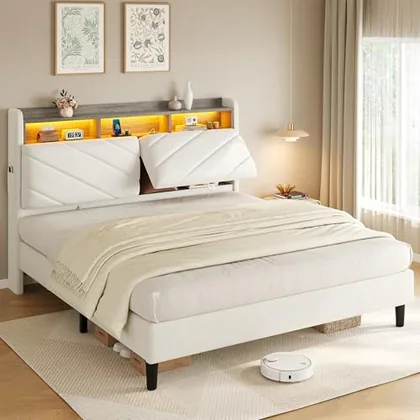
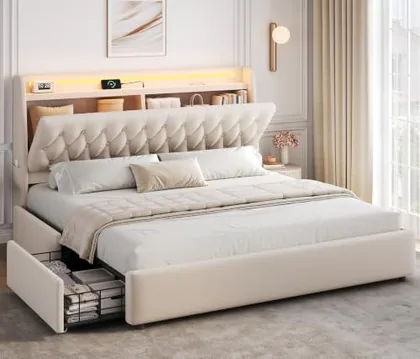
Queen Size Bed Frame with Headboard Storage and LED Lights
4.0(2)Queenupholstered1000 lb
$233.59LED
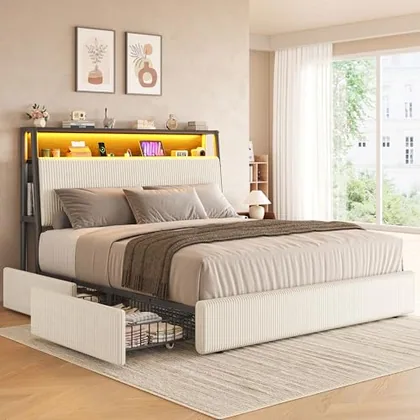
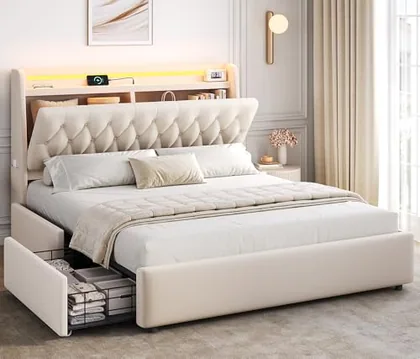
Upholstered Queen LED Bed Frame
4.1(57)Queen2 drawersupholstered
$229.99LED
Compared
Three ways to put storage in a bedroom, JOCOEVOL included
Storage under the bed is one of the first things people ask us about. There are three ways to handle it, and each one trades off different things you might care about.
We make frames with drawers built into the base. Everything sits low to the floor, slides out when you want it, and clears out of sight when you don't. You put it together once, and the storage goes wherever the bed goes.
A second path is a standard frame with separate boxes tucked underneath. You can change the bins later, pull them out for deep cleaning, or leave them behind if you move somewhere with more closet space.
Divan bases take a different approach. They lift the mattress on a platform and hide storage inside the structure itself.
We've lined up the key differences below: dimensions, drawer depth, weight limits, and clearance height. Look through the table to find the setup that fits your floor plan and your habits.
| Bed with built-in drawers | Plain frame plus boxes | Divan base | |
|---|---|---|---|
| Floor space used | None beyond the bed | None beyond the bed | None beyond the bed |
| What it holds | Bedding, off-season clothes | Whatever the boxes hold | Deep, awkward loads |
| Access | Drawer glides, no lifting | Pull the box out and kneel | Lift the mattress |
| Cleaning under it | Sealed, nothing to sweep | Boxes come out first | Sealed |
| Typical price here | $149.99 and up | Frame only, from $134.99 | We do not sell one |
The range
Dressers, chests and cabinets
49 chests and 9 cabinets, counted by drawers rather than by promises.
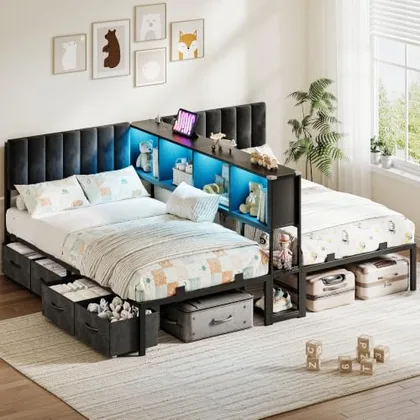
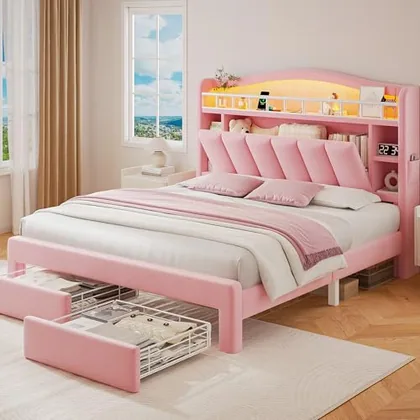
Twin Beds for 2 Kids with Storage Bookcase Divider
Twinupholstered400 lb
$319.99LED
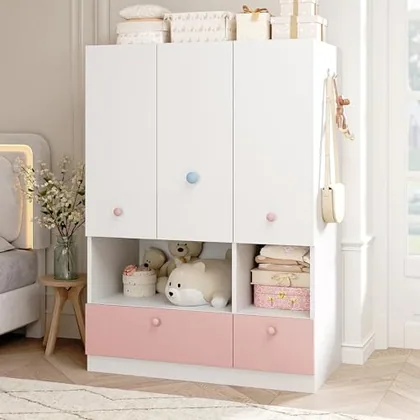
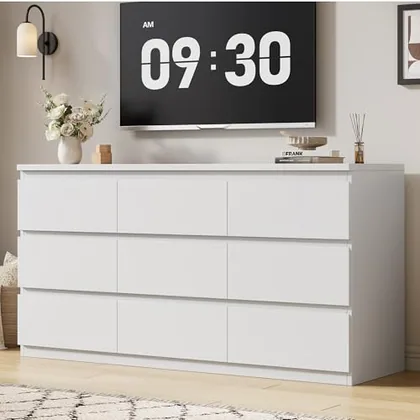
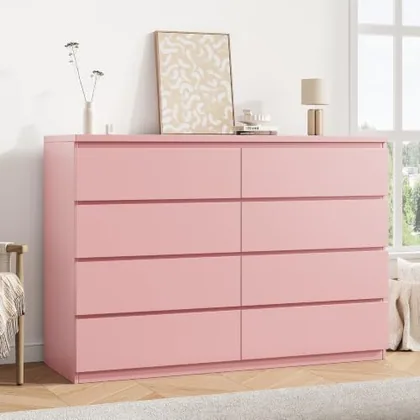
Pink 8 Drawer Dresser for Bedroom (15.3 in D x 55.2 in W x 32.3 in H)
3.2(143)8 drawersengineered wood
$239.23
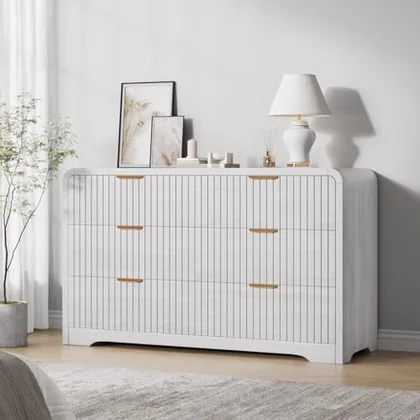
Modern 6 Drawer Dresser for Bedroom
4.0(41)6 drawersengineered wood
$217.51
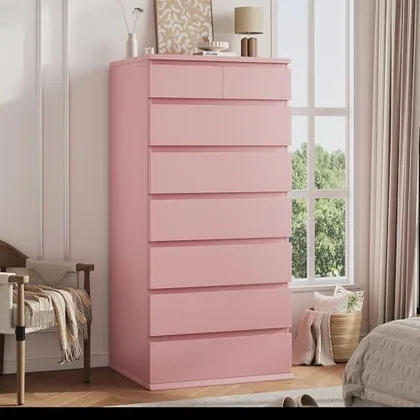
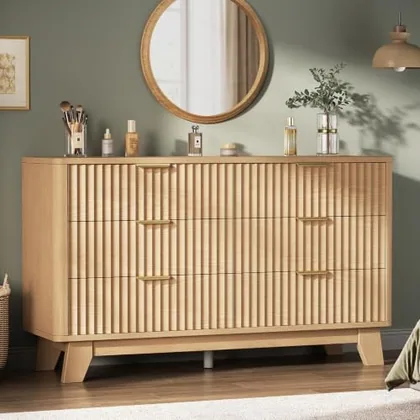
Fluted 6 Drawer Dresser for Bedroom
6 drawersengineered wood
$197.99
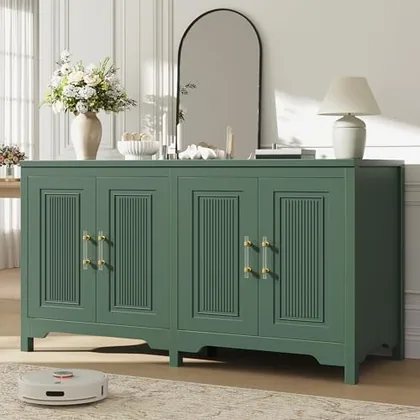
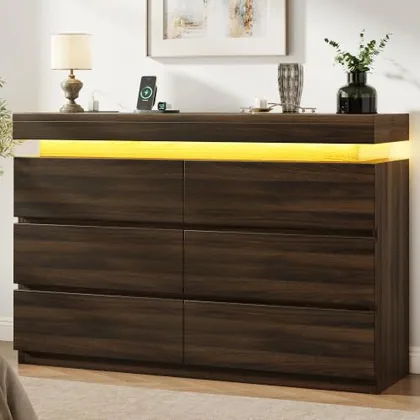
6 Drawer Dresser with LED Lights and Charging Station
3.9(9)6 drawersengineered wood
$188.99LED
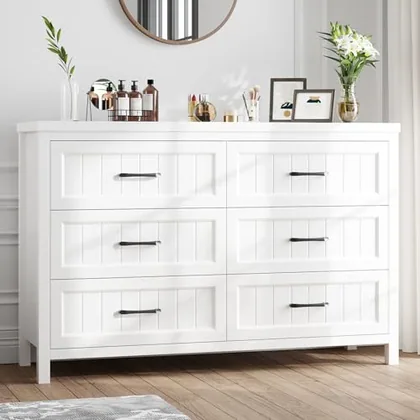
Farmhouse White 6 Drawer Dresser for Bedroom
4.0(9)6 drawersengineered wood
$186.38
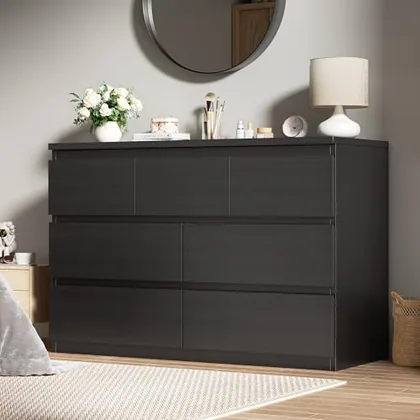
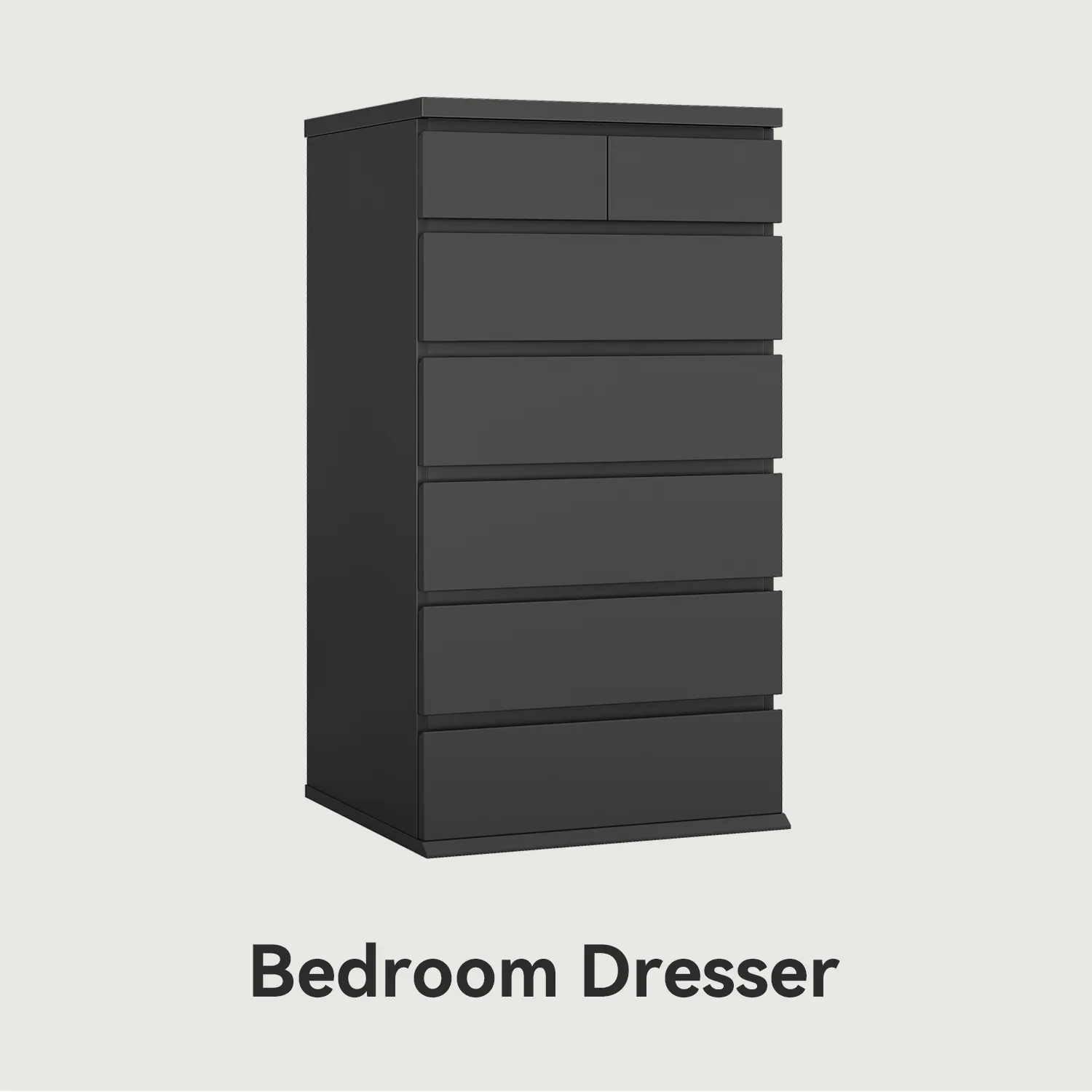
Modern Black 7 Drawer Dresser for Bedroom
3.3(73)7 drawers
$179.99
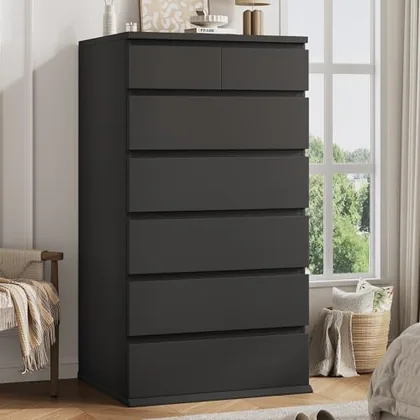
Black Tall 7 Drawer Dresser for Bedroom
3.2(143)7 drawers
$179.99
What buyers say
Word for word, lowest rating first
We publish what people wrote about our furniture without touching the spelling, and we do not hide the ones that go badly. 35 of the 82 reviews we hold are below five stars, and 3 of the 9 here are too.
Defective and deceptive.
Do not buy this bed. The bed falls apart almost immediately. The slats that support the mattress do not stay in place and will hit the person in the lower bunk any time the upper bunk is moved. I bought this for my two sons to share and when one of them went for the upper bunk the slats started falling on my younger son’s head and body. We followed the instructions to the letter and still had this issue. Defective at best and returned after not being usable night 1
Too small!
Piece of crap! I want my money back! It’s too small to fit even baby blankets. The pictures are false advertisement - pls pay attention to the dimensions shown in the picture if you want to buy this crap (unlike me who just bought it based on pictures). I also ordered black and got brown instead. The worst part is, I can’t return it because it’s already built and you don’t realize how small it is until it’s built. Never again. This company is a scam.
No chairs included
Nice table, but it should specify it does not come with chairs. Based on the picture and the description you would assume it does.
Great product and value!
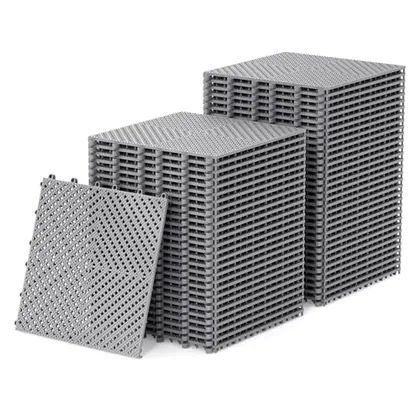
Great product, so easy to install and looks very classy and sporty, so far has held up perfect and imagine it will, love the fact that water does not sit on the surface. Was almost about to coat my garage floors but always have concern about peeling and keeping it looking clean. So glad I came across these tiles. I did the project for around $1000 compared to the quotes of 4 to 5k to coat the floor.
Beautiful bed with built in light very happy
I’m very happy with this bed. The design is modern and elegant, and it looks even better in person. The headboard is soft and comfortable, and the built-in light is such a nice touch—it creates a cozy atmosphere and is perfect for nighttime without needing a lamp.The bed feels sturdy and well made, and assembly was straightforward. It fits perfectly in my room and instantly upgraded the space. Overall, great quality for the price and very stylish. I would definitely recommend this bed to anyone looking for comfort and a clean, modern look.
Amazing Stand
Honestly, 10/10 I got the white version with the fireplace screen and it is amazing. I love the drawers it has. The LED lights are great and I love the look of the Fireplace. It did take a while to assemble and did take some work but instructions were clear and straightforward.
Perfect High Quality Desk
Very solid desk. Downside is it's a lot to put together. Husband and son (who had the joy of putting it together) said it was better quality than desks we saw in furniture stores for more than $1,000! This was not a cost motivated decision. It fits my needs and is strong. I love the bonus shelved under the desk. Highly recommend.
Great buy
Beautiful! Took about an hour and a half to assemble. Some of the instructions were confusing but we were able to figure for out. Great deal and definitely worth it!
Would buy again
Great package. It came extremely well packaged. It was easy to assemble the tank holder. Instructions were great. Came with all screws and screw driver. I like that it has the glass shield, fabrics cover and steel cover. I haven’t fired it up yet. Hopefully tonight. We purchased some blue beads for the flame.Everything works great. Get 15lbs of glass for a complete fill. Wife says it looks elegant.
Before you buy
Five things worth knowing first
304Measure the room, not the bedpieces publish full dimensions
Measuring Your Space Before You Buy
We list the width and length of every bed we make in its specifications. That number tells you how much floor the frame covers. It does not tell you how much room you actually need around it.
Start by measuring your space wall to wall. Write both numbers down. Then subtract the things people forget: baseboard trim takes up an inch or two on each side, and any door that opens into the room needs clearance to swing fully.
Think about how you move around a bed day to day. You want roughly 24 inches of clear space on each side so you can walk past without turning sideways. At the foot of the frame, leave 30 inches if you can manage it. That gives you enough room to tuck in blankets and change sheets without climbing over anything. If you plan to put nightstands beside the bed, add their width plus a few extra inches so you can reach them easily.
A Queen mattress measures 60 inches across. The frame we build around it adds an inch or two more on each side. Once you factor in walking room on both sides, a Queen setup really needs about 90 inches of total width. Measure twice. The tape measure costs less than a return.
135Storage arithmetichave drawers built in
Two drawers under a Queen frame hold folded t-shirts, sweatpants, and off-season bedding in stacks roughly ten inches high. That arrangement works fine for things you reach for once or twice a week. A chest of drawers, even a narrow one, gives you five or six compartments at full sitting height, so you can sort socks from gym clothes without digging through a pile.
The difference comes down to how you fold. Flat-folded jeans and sweaters sit happily in shallow under-bed bins. Anything with structure, like bags or shoes, needs the depth of a proper drawer front. We build our bed frames with enough clearance for standard storage bins, and we publish the measurements so you can check them against what you already own.
Now, about width versus height. A long dresser spreads your storage across the wall, which sits nicely under a mirror or above a media console. But if you share the room, a tall chest takes up less floor space while holding nearly as many folded items. In smaller bedrooms, those extra square feet often matter more than a wide top surface.
We include drawers on 165 of our pieces across the catalog. Choose the shape that fits your room first, then confirm it holds what you actually wear.
87Assembly, honestlystate a weight capacity
Most of our frames and dressers go together with two people. One of you holds a panel steady while the other drives the bolts home. A loft bed or wide dresser needs that second pair of hands. Smaller items like nightstands or single desks you can manage alone if you are patient and work on a clean floor.
Clear enough room before you open the box. Measure the footprint of what you are building, then add two feet on every side. You will need that space to lay out panels and reach around corners without bumping into furniture or walls.
Before your first night on a new bed, walk around it and press down on the frame at several points. Listen for any creak. Wiggle the headboard gently. If something shifts or sounds off, find the nearest bolt and give it another quarter turn. This is normal.
Wood and metal settle into place as they carry weight for the first time. The joints compress slightly. The hardware loosens just enough to notice. Check everything again after two or three weeks of regular use, and your piece will stay solid for years after that.
112 / 95 / 78Materials and careengineered wood, upholstered, metal
We build most of our furniture from three main materials, and each one behaves differently when you live with it every day.
Engineered wood appears in more than a hundred of our pieces. We chose it because it holds its shape under steady weight and resists warping better than solid boards tend to. The surface comes out smooth and takes an even finish.
Over time, you will see small dings and scratches along the edges first, since those are the spots that take the bumps in normal use. To keep it clean, wipe with a damp cloth and a drop of mild soap, then dry it off right after. Never leave standing water on the surface.
Upholstered panels give you a softer spot to lean against or rest your arms on. The fabrics we select handle daily contact well, but they do collect dust and the odd spill now and then. Run a vacuum with an upholstery tool over them once a week or so. If something spills, blot it with a clean cloth right away, then use a cleaner that matches the fabric type we list on the product page.
Metal frames support the structure on close to eighty of our designs. Steel bends less than other options, so the frame stays square even after you have owned it for years. Scuffs show up where legs slide across the floor. Dust comes off with a soft cloth. For marks that stick, warm water and a little dish soap will work without hurting the finish.
9Planning around one big piecedepartments to plan a room across
Start with the big piece and work outward. That is how we plan every room we design for, and it is how you should approach yours too. Pick the item that matters most: the bed you sleep in, the dining table where everyone gathers, the sofa that faces the window. Measure it first. Then measure everything else around it.
Traffic lanes need at least 24 inches of clear floor space. You have to walk past the end of a bed without turning sideways. You also need room for a door to swing open without hitting anything behind it. These are not optional extras. They are the difference between a room you move through easily and one that fights you every time.
For a dining table, count the chairs and add 18 to 24 inches of pull-out space on each side. Someone has to sit down and stand up. If you tuck chairs under the table between meals, keep in mind that they still occupy space when people are actually eating.
We build 364 pieces across nine departments because rooms do not stop at one category. A bed frame pairs with a dresser. A dining set sits on flooring. We size each piece so it fits the life you already have.
The range
Dining tables and the chairs around them
Our largest department: 77 pieces, from a table for four to a set for ten.
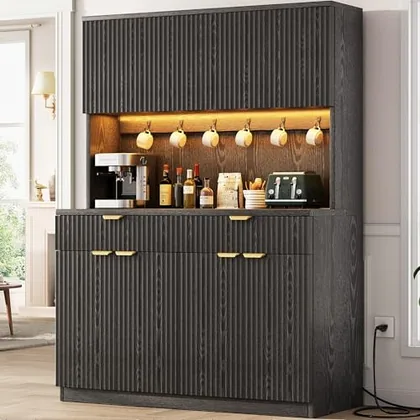
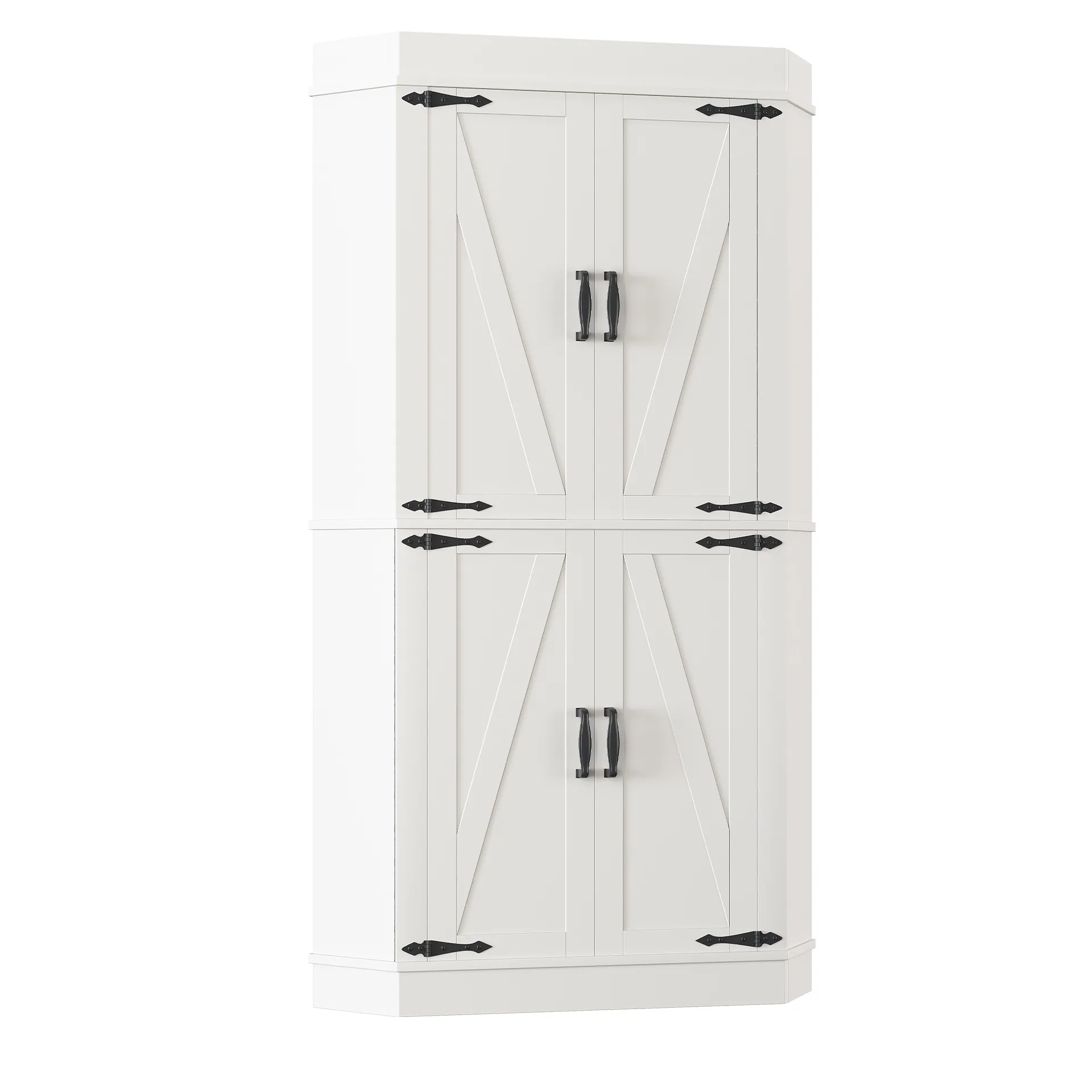
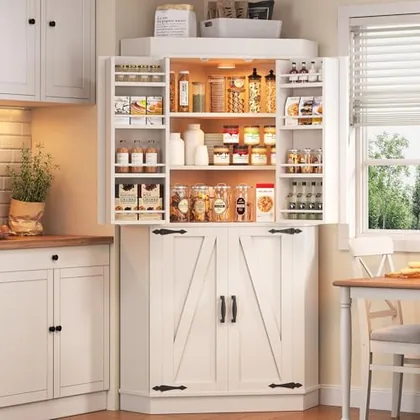
Fluted Kitchen Pantry Storage Cabinet
3.8(57)engineered wood
$259.99LED
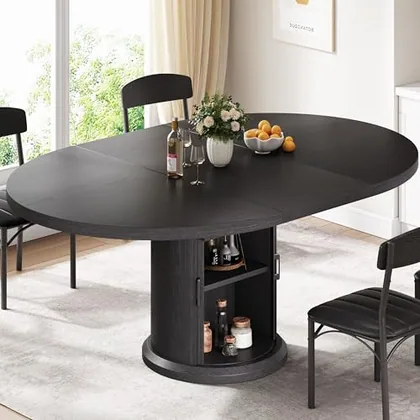
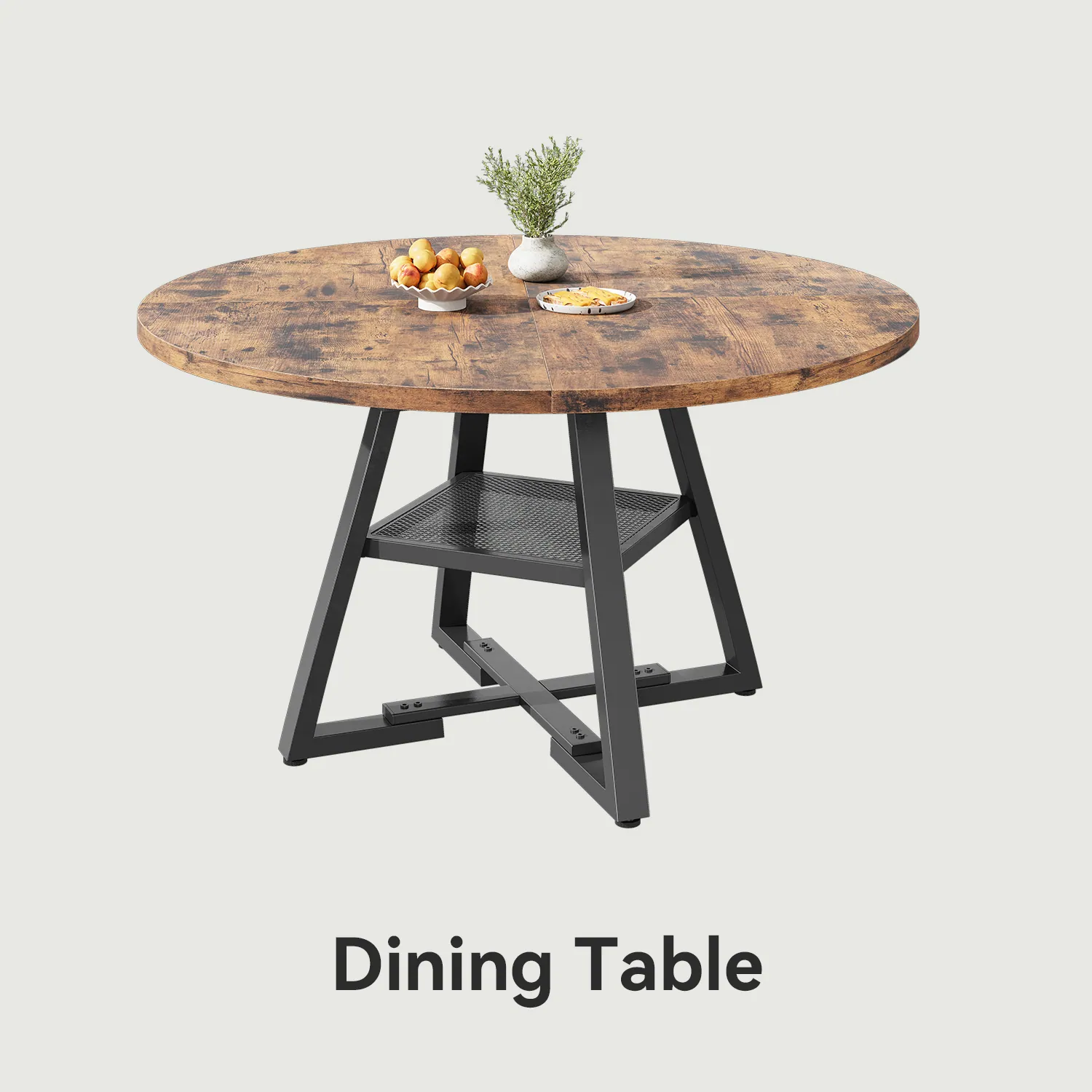
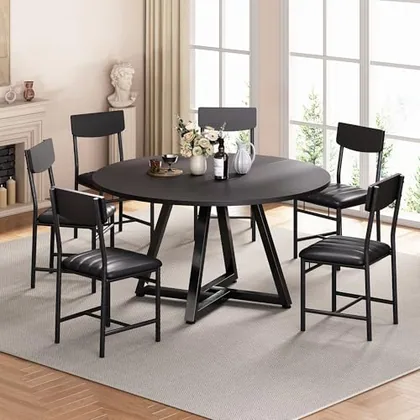
Extendable Round Kitchen Dining Room Table for 4-6
4.3(30)seats 4-6engineered wood
$242.99
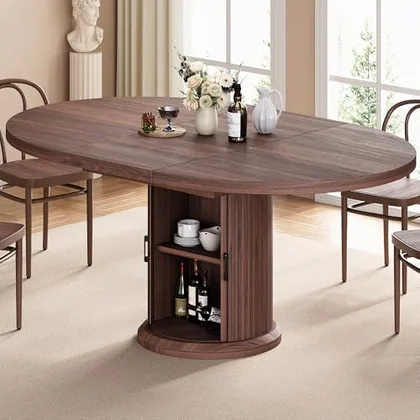
47''-63'' Extendable Round Dining Table for 4-8
4.2(216)seats 6engineered wood
$242.10
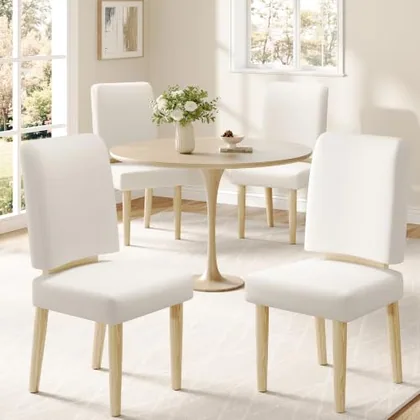
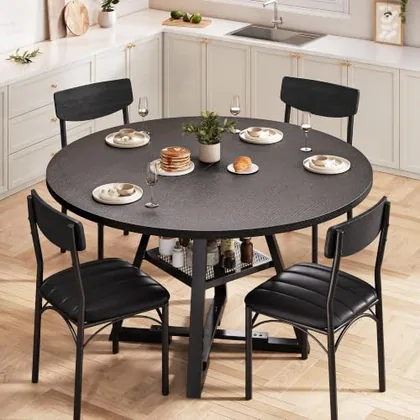
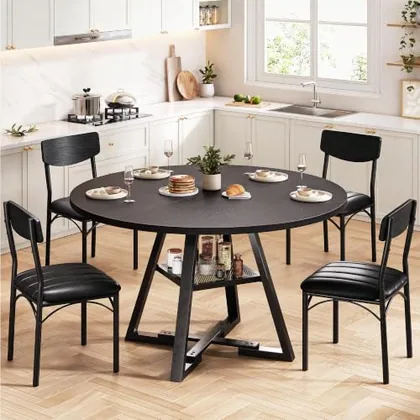
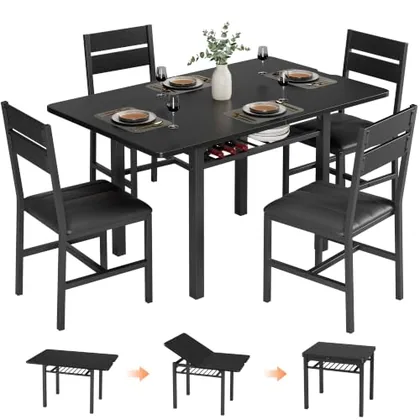
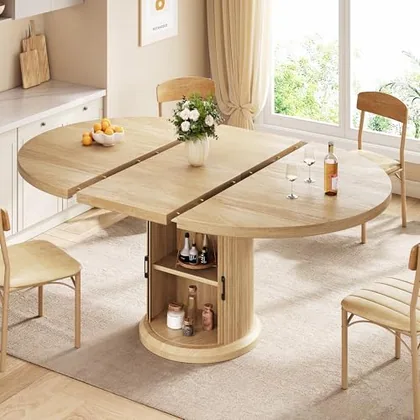
47''-63'' Extendable Round Kitchen Dining Room Table for 4-6
4.3(30)seats 4-6engineered wood
$199.99
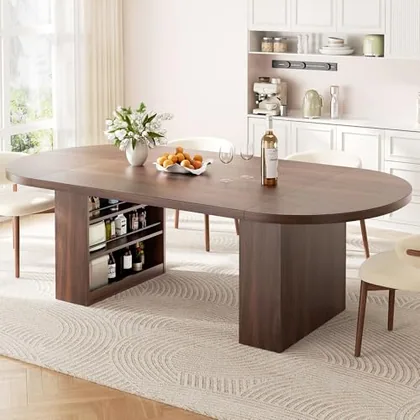
70.8 in Oval Dining Table for 6-8
5.0(4)seats 6-8engineered wood400 lb
$189.99
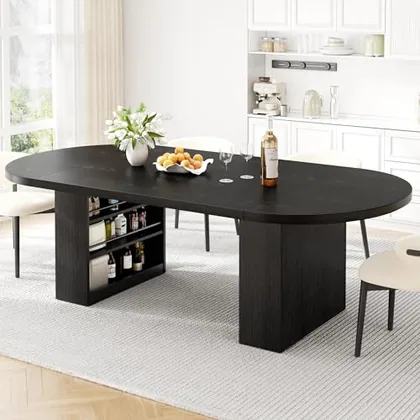
70.8 in Dining Table for 6-10 People
3.0(3)engineered wood400 lb
$189.99
About JOCOEVOL
How a bed frame turned into nine departments
We started with one problem. A bed that holds storage space beneath it and does not start squeaking after six months. That was the whole idea when we began. We needed a frame strong enough to support drawers without wobbling, joints tight enough to stay quiet, and proportions that let you actually use the space underneath. Everything else in our catalogue grew out of that single question.
69bed frames, where it started
9departments today
307pieces we currently offer
135with storage built in
How the range grew, one room at a time
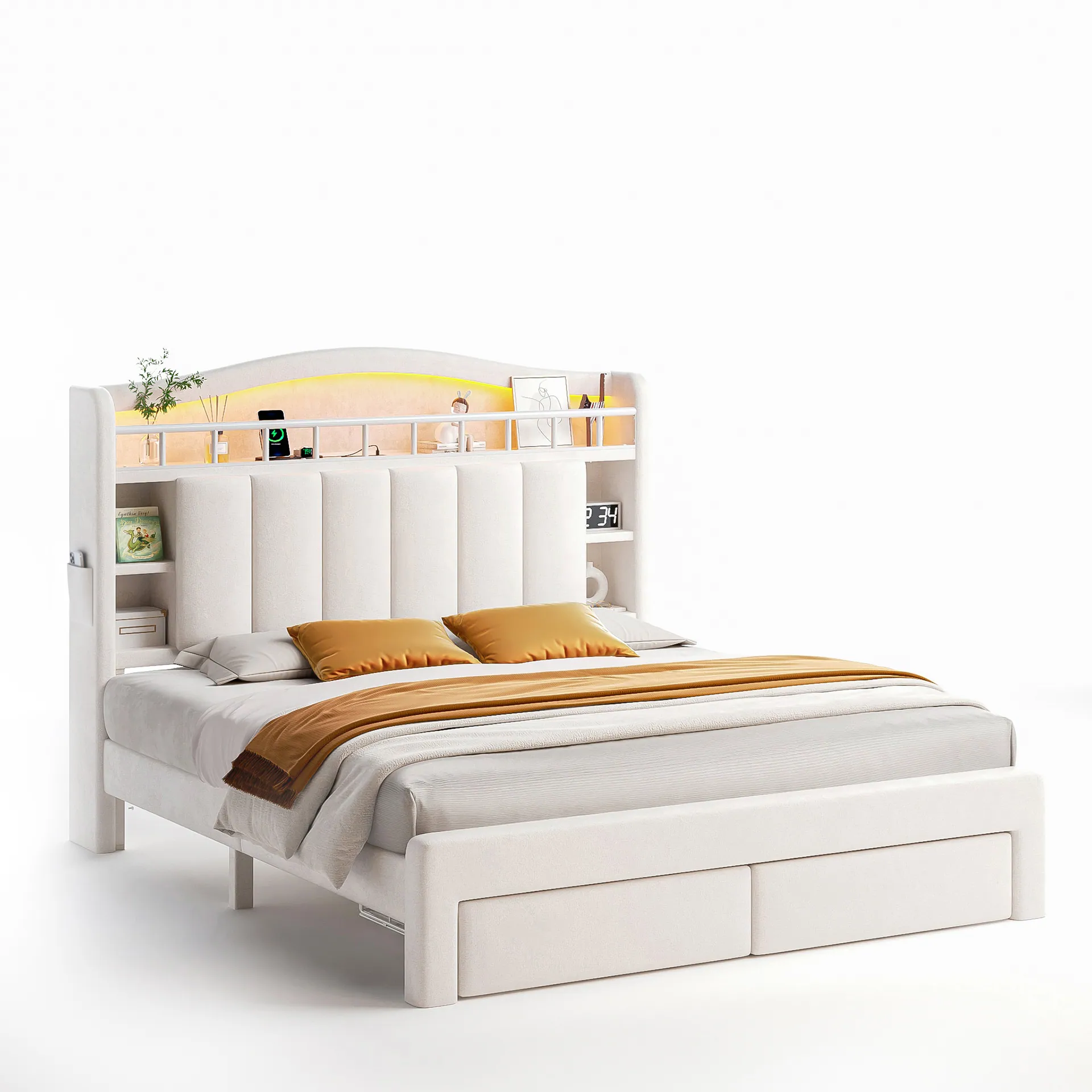
When we solved the bed, people asked us what went next to it. So we made dressers. Then desks for the same room. Then tables for eating. Each step felt obvious once we had finished the last one. You cannot put a bed in a room and stop there. The pieces around it have to work together, sit at heights that make sense together, and share enough visual language that the room feels planned rather than assembled by accident.
This is how we ended up with nine departments and 364 designs. It happened gradually. We did not sit down and map out a furniture empire. We kept running into the next thing that needed to exist alongside the last thing we had built.
Our process has stayed small even as the catalogue got larger. When we design a new piece, we build it ourselves first. At full size. Not a prototype scaled down, not a rendering on a screen, but the actual item you would receive if you ordered it. Then we live with it for a few weeks.
We open the drawers every day. We lean on the headboard while we read. We put a cup of coffee on the nightstand and see whether it leaves a ring or whether the surface handles it cleanly. Only after those weeks do we send the design into production.
We also check the fasteners differently than most companies do. A lot of furniture gets tested for how it looks on a showroom floor. Tight joints, smooth finish, everything aligned. That matters. But we test for what happens when you take it apart and put it back together. Because real people move. Real people disassemble a bed frame, load it into a truck, drive to a new apartment, and reassemble it there.
Materials matter to us but we do not fetishize them.
What we test before a piece goes out
If the screws strip on the second assembly or the cam locks loosen after one cycle, the piece fails the person who owns it even if it passed the showroom check. So we specify our own tolerances for hardware and we run assembly and disassembly cycles before anything goes into the catalogue.
What we will not do is fill this page with claims we cannot back.Star ratings on the cards are the ones our customers left, counted once per family of finishes. When someone buys from us, checkout and delivery happen through our retail partner. We focus on designing and specifying the pieces themselves. The transaction side belongs elsewhere.
Looking at what we make now, some patterns stand out. Storage shows up everywhere it can fit. We have 165 designs that include drawers, shelves, compartments, or cabinets built into the frame. That traces back to the original bed. Once we learned how to put drawers under a mattress without sacrificing stability, we started asking where else storage could live. Nightstands became logical. Then TV stands. Then desks with file drawers. The habit stuck.
Power followed a similar path. We offer 114 products with an outlet or a USB port built in, and another 131 with LED lighting integrated into the design. These are not add-ons we bolted on later. They go into the initial drawings because we know where people put their phones when they sleep and where they need light when they get up at night.
Materials matter to us but we do not fetishize them. Our catalogue lists engineered wood on 112 items because it stays flat and resists warping better than solid boards in most indoor settings. We use upholstery on 95 pieces because fabric softens a room in ways metal cannot.
| Department | Pieces | From | Median |
|---|---|---|---|
| Bunk & Loft Beds | 31 | $159.99 | $199.99 |
| Bed Frames | 69 | $134.99 | $209.99 |
| Dressers & Chests | 49 | $109.98 | $168.99 |
| Outdoor & Garden | 32 | $21.10 | $389.99 |
| Dining Room | 77 | $80.99 | $139.99 |
| Living Room | 19 | $116.63 | $259.99 |
| Desks & Office | 8 | $188.98 | $279.99 |
| Storage & Cabinets | 9 | $107.99 | $149.39 |
| Flooring & Tiles | 13 | $29.99 | $69.99 |
| Outdoor & Garden | 32 | $21.10 | $389.99 |
What the range looks like now
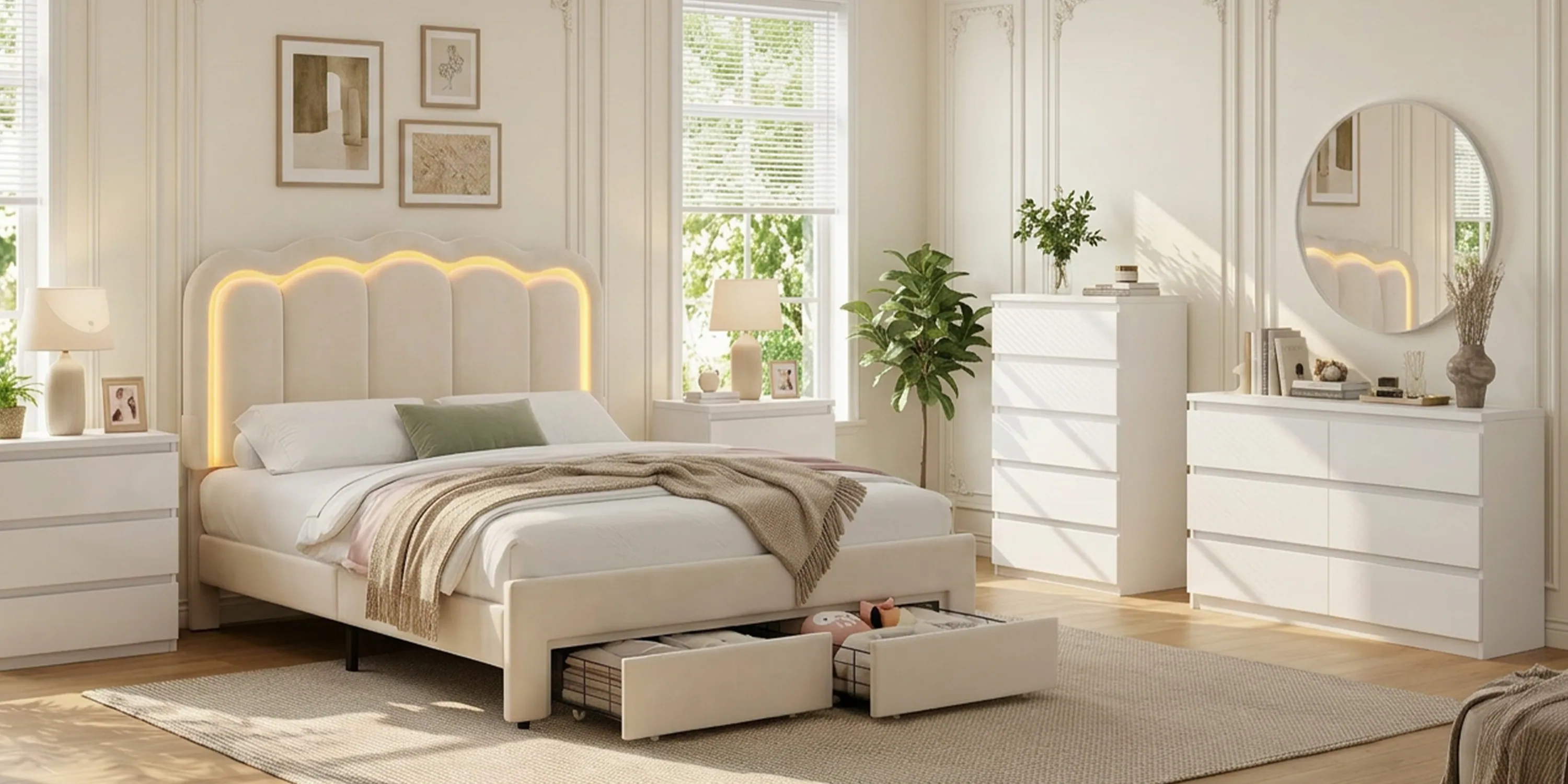
Metal shows up on 78 designs where strength or a slim profile matters more than warmth. Polypropylene, solid wood, glass, each appears where it solves a specific problem. We pick materials for what they do, not for what they sound like in marketing copy.
The price ranges reflect what it actually costs to make each category well. Dining room pieces run from $80.99 to $1258.98 because a simple side chair and a large extension table require different amounts of material and engineering. Bed frames sit between $134.99 and $329.98. Bunk beds cost more because they must support more weight safely. Nothing in our catalogue crosses into luxury pricing, and nothing cuts corners so cheaply that it will not survive normal household use.
We still have departments where we are learning. Outdoor and garden furniture makes up only eight designs right now. Desks and office pieces number eight as well. These are categories where we want to move slowly, test thoroughly, and expand only when we are confident each new model meets the standard we set for ourselves.
That standard is not complicated. Does the piece do what we say it does? Will it still do that in two years? Can an ordinary person assemble it without specialized tools or professional help? If we can answer yes to those three questions, the design goes into the catalogue. If we cannot, it stays in the workshop until we fix whatever made us hesitate.
We do not manufacture on site. We do not ship directly to your door. We do not stock inventory in warehouses we own. What we do is decide exactly how every piece gets made, what tolerates what level of use, and what belongs in a home. Someone else handles the logistics. We handle the part that determines whether you keep the furniture for a decade or replace it in two years.
What we do not do, said plainly
That division lets us stay focused. We are designers and specifiers, not retailers or fulfillment operators. The catalogue you are browsing exists because we spent time on the questions that matter to the person who will own these things long after the checkout page closes.
The range
Living room and the desk in the corner
Sofas, TV stands and desks for the rooms between the bedroom and the kitchen.
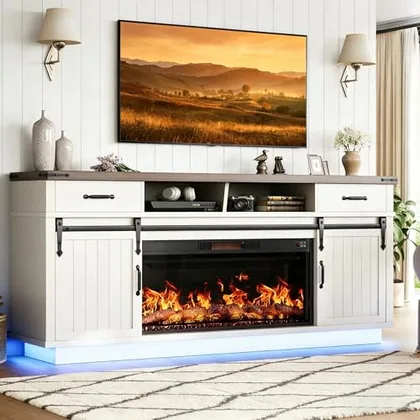
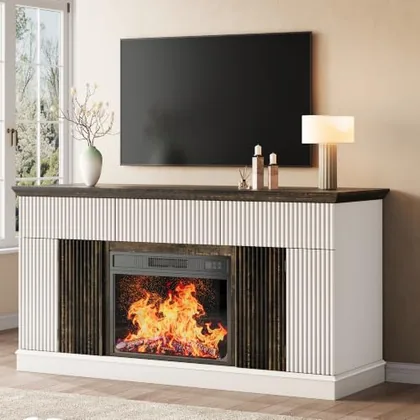
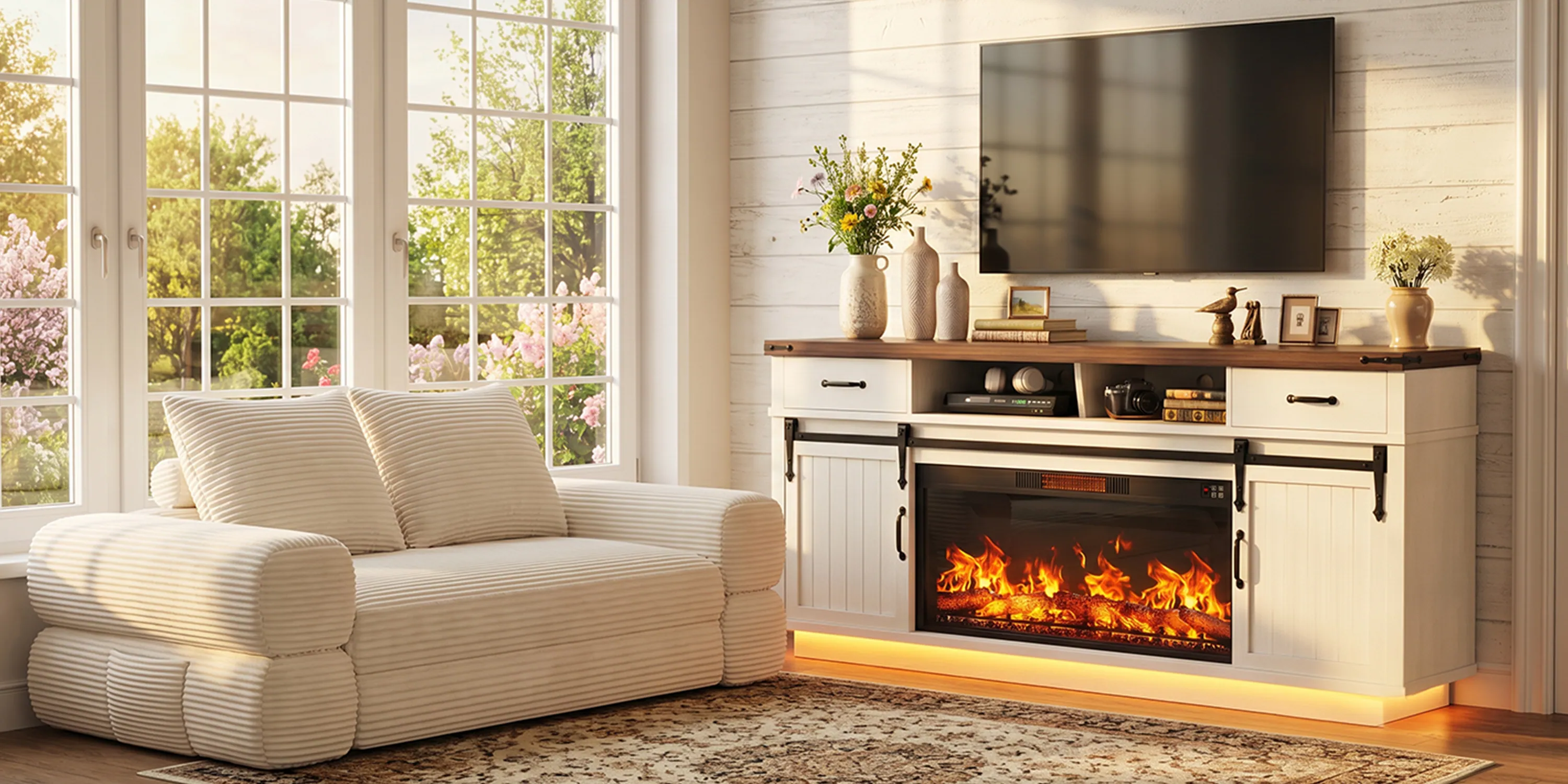
70'' Fireplace TV Stand with 36'' Electric Fireplace
4.2(14)2 drawersengineered wood300 lb
$349.99LED
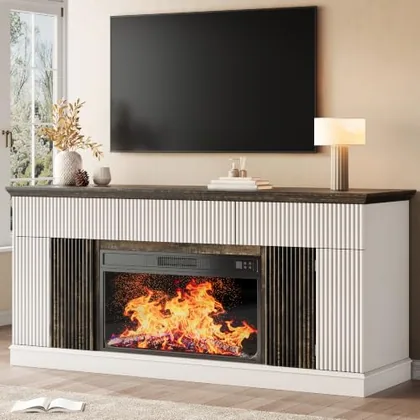
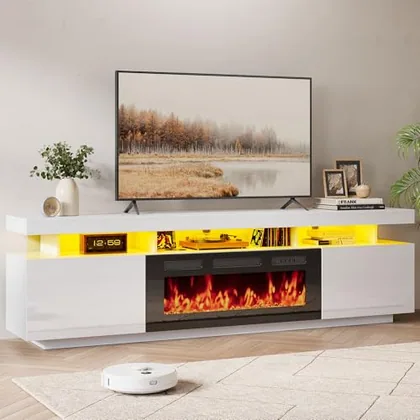
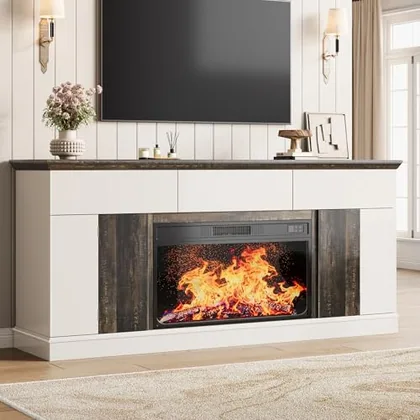
70 in Fireplace TV Stand with 36 in Electric Fireplace
4.5(8)3 drawersengineered wood300 lb
$299.69
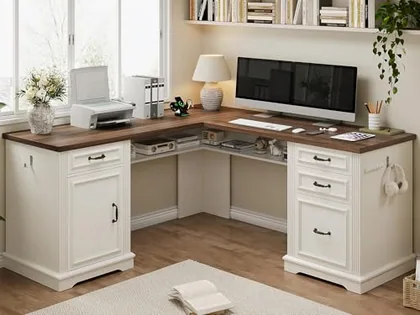
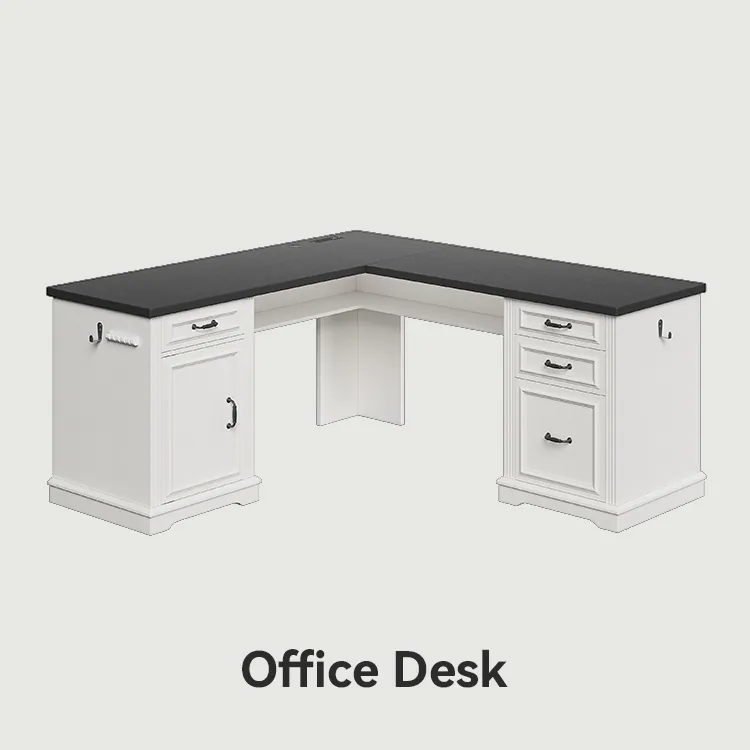
Farmhouse L Shaped Executive Desk with 4 Drawers
4.0(68)4 drawerssolid wood
$279.99Charging
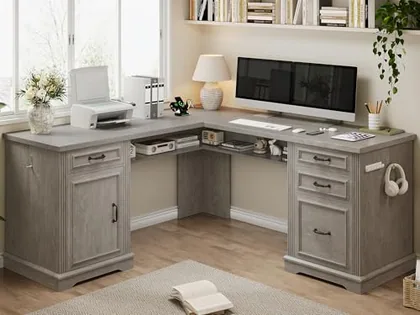
Farmhouse L Shaped Executive Desk
3.8(7)4 drawerssolid wood
$279.99Charging
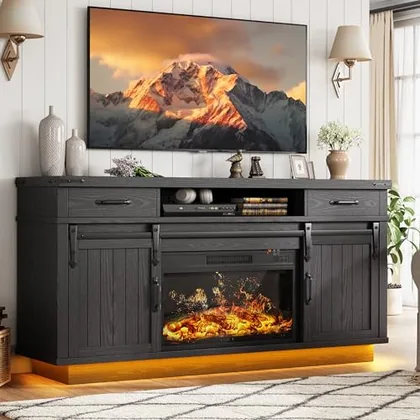
Fireplace TV Stand for TVs up to 65 in
4.1(105)2 drawersengineered wood260 lb
$278.99LED
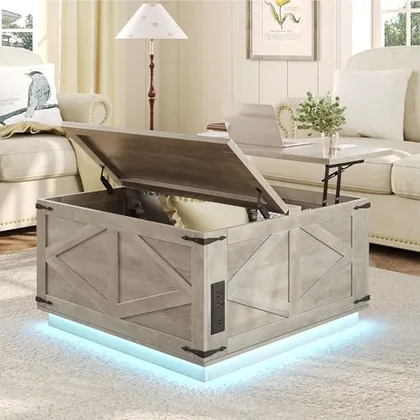
Rustic Grey Farmhouse Lift-Top Coffee Table: Square Wood Center Table
3.8(23)engineered wood
$274.73LED
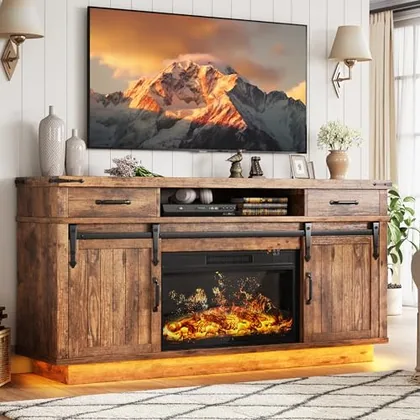
58 in Farmhouse Electric Fireplace TV Stand for TVs up to 65 in
4.1(105)engineered wood260 lb
$266.39LED
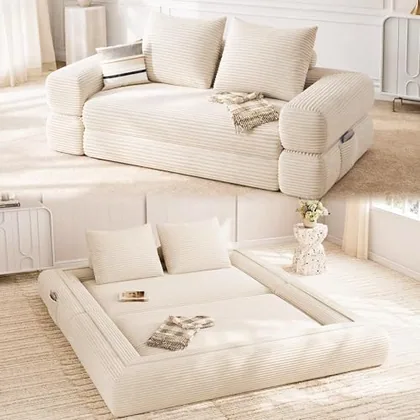
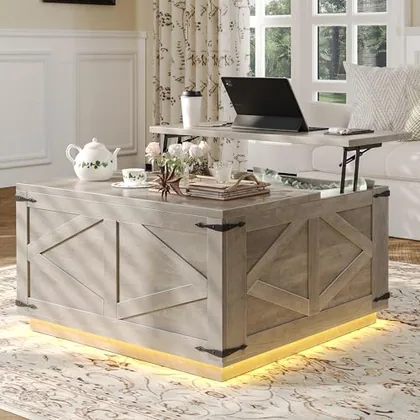
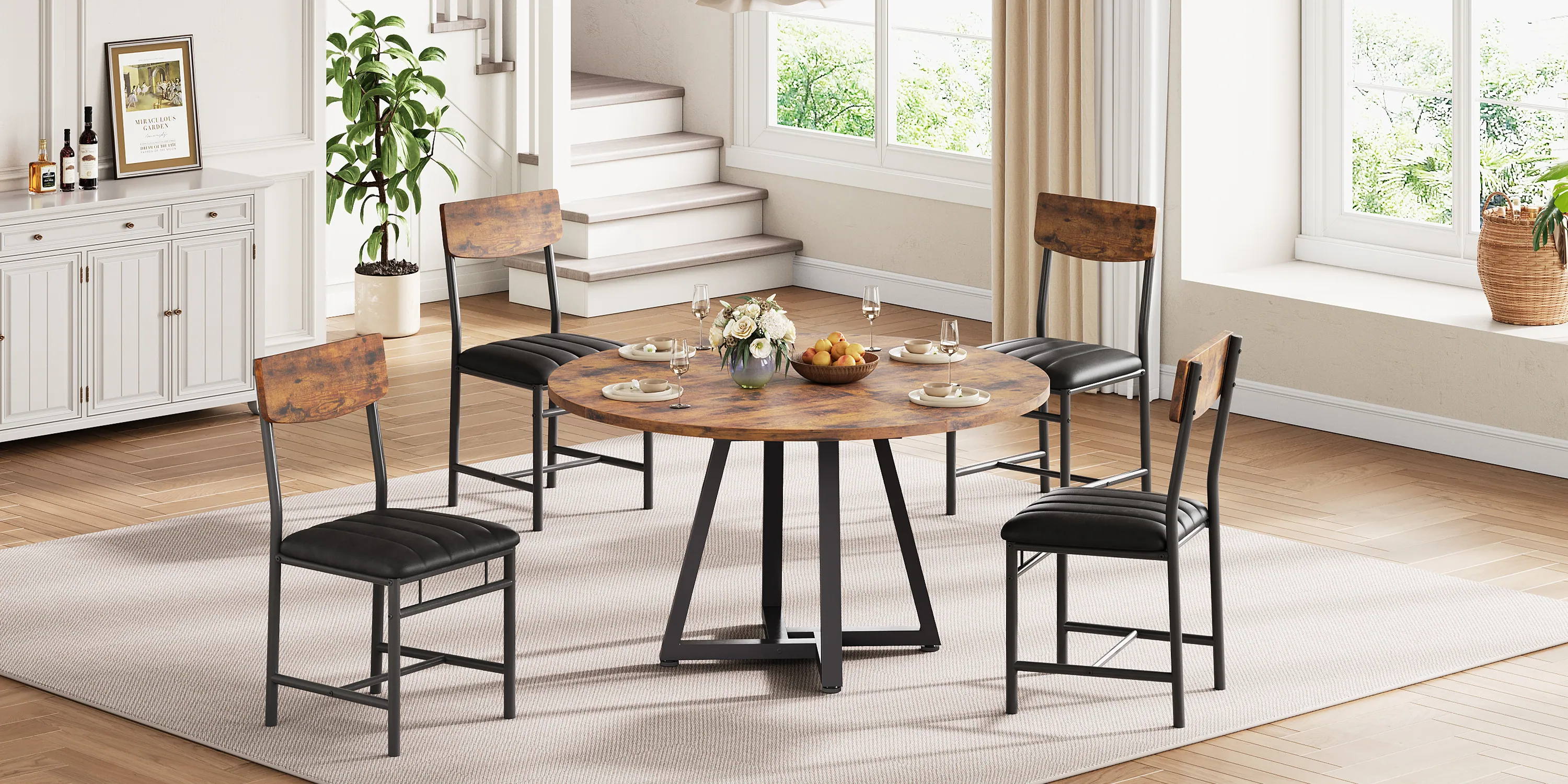
How we build
How a JOCOEVOL piece gets signed off
How We Build
We started with one problem. A bed frame that holds storage drawers beneath it should not start squeaking after six months. That single frustration led to everything else we make now: dressers to match those frames, desks for the same room, then dining pieces and outdoor items.
Our team is small. Designers and people who source materials, mostly. When we finish a new model on paper, we do something that most companies skip. We build it ourselves, at full size, right here where we work. Then we live with it.
We sleep on the bed frames we design. We open and close every drawer on a dresser for weeks before we approve it. We sit in our own chairs during long meetings. This is how we catch the things that drawings cannot show you. A drawer front that catches slightly when you pull it too fast. A headboard that feels less supportive than the measurements promised. An outlet placement that forces an awkward reach when you are lying down reading.
We set our own assembly tolerances. That means we decide exactly how much room a joint needs so it stays tight without forcing you to struggle with the tools. We test every type of fastener we use by putting furniture together and taking it apart, again and again, until we are confident it will hold up in your home the way it does here.
We work across nine categories now. There are bed frames in sizes from Twin to King, many with built-in LED lighting or USB ports so you do not need extension cords trailing behind the nightstand. Our dining collection runs from simple side chairs up to large tables. Living room pieces, storage cabinets, desks, flooring, and outdoor furniture fill out the rest of what we offer.
The materials vary by what each piece needs to do. Engineered wood gives us stability without warping. Metal handles the weight loads on loft beds. Upholstery makes headboards comfortable to lean against. We pick based on function first, appearance second.
Every one of our 364 current designs went through the same process: we built it, we used it, and we fixed what bothered us before we let anyone else buy one.
Checkout and fulfillment are handled by our retail partner.

The people behind it
A small team, and the pieces we argue about
We are a small team of designers and buyers, close enough to the range that the person choosing a finish is the person who answers for it.
We started with one problem we wanted to solve. We wanted a bed frame that could hold storage drawers underneath it, and we wanted it to stop squeaking after six months. That first question led to everything else: dressers that sit beside those beds, desks for the same rooms, dining tables, pieces for outside.
When we design something new, we build it ourselves at full size. We assemble it. We take it apart and put it back together. We live with it for a few weeks before we send it into production.
This is how we catch the things that look fine on a screen but feel wrong when you actually use them. We set our own tolerances for how the pieces fit together, and we test every fastener for repeated assembly rather than just for how it looks on a showroom floor.
Right now our catalogue covers 364 products across nine departments. We work with engineered wood, solid wood, metal, and upholstery. We add LED lighting to pieces where it makes sense, and we put outlets or USB ports into furniture where people actually need to charge things near where they sit or sleep. We list weight capacities when we have tested them, and we state mattress sizes clearly so you know what fits.
Star ratings on the cards are the ones our customers left, counted once per family of finishes.
What the pieces look like up close
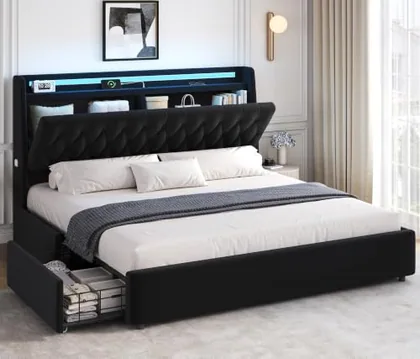
These are our own product photographs.
Quality
What JOCOEVOL means by a true specification
87pieces state a weight capacity
304state full dimensions
135state a drawer count
255state a material
What quality means here
When we list a bed frame at 600 pounds, that number means something. We test the slats and the frame together before we put it in the catalogue. One hundred and one of our products carry a stated weight capacity because we measured it ourselves.
Our materials are simple to read. We use engineered wood across 112 products, metal in 78, and upholstery in 95. A few pieces use solid wood or polypropylene. One uses glass. We name what goes into each item on its own page.
Storage works the same way. One hundred sixty-five products include drawers, and we tell you exactly how many. A headboard shows up on 92 listings because it ships with one. We do not mark a frame as "headboard compatible" when it arrives bare. That difference matters when you count what shows up at your door.
Many of our bed frames come with slats. You can put a mattress directly on them without a box spring.
We also note practical features where we find them. LED lighting appears on 131 products. Power outlets or USB ports show up on 114. These are facts we can count and check.
The range
Outdoor, garden and the floor underneath
Gazebos, patio sets and interlocking tiles for a garage, a patio or a pool surround.
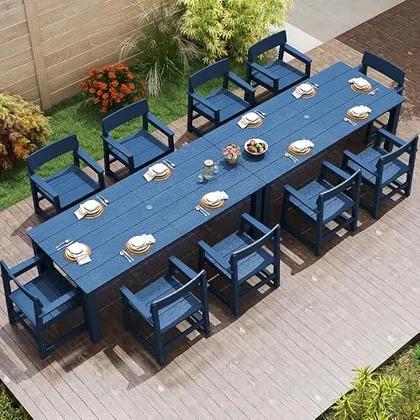
12 Piece Patio Dining Set for 10 Person HIPS Outdoor Dining Sets
4.8(10)12 pieces
$1232.88
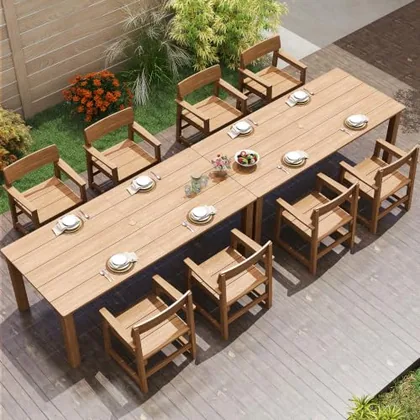
10 Pcs HIPS Patio Dining Set for 8 Outdoor Tables and Chairs Set
4.8(10)10 pieces
$1199.99
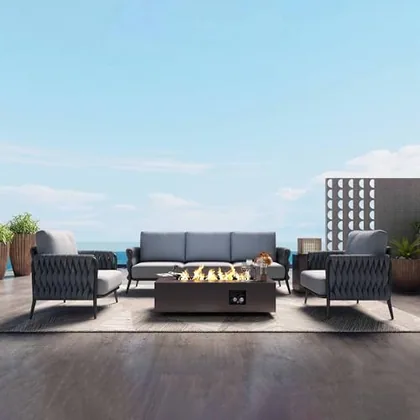
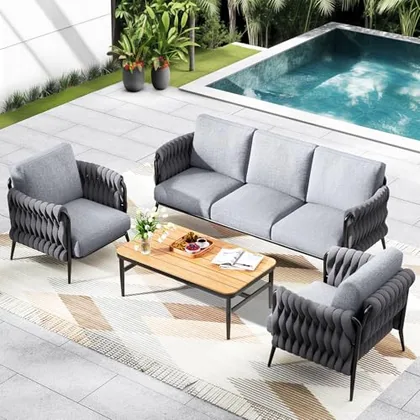
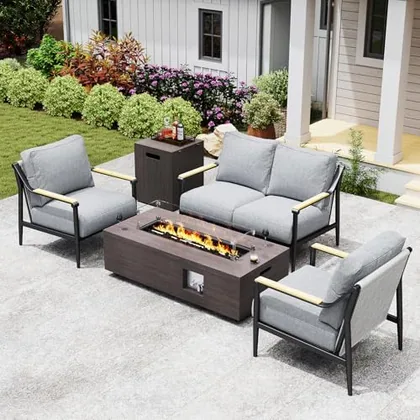
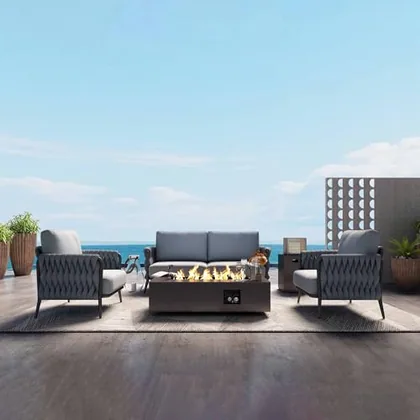
5-Piece Outdoor Patio Sofa Set
5.0(2)seats 4-55 piecesmetal
$999.96
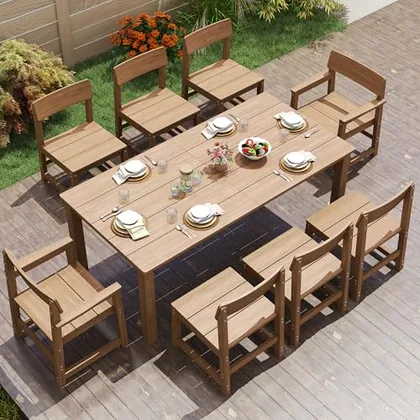
9 Piece Patio Dining Set for 8 HIPS Outdoor Table and Chairs Set
4.8(10)9 pieces
$919.32
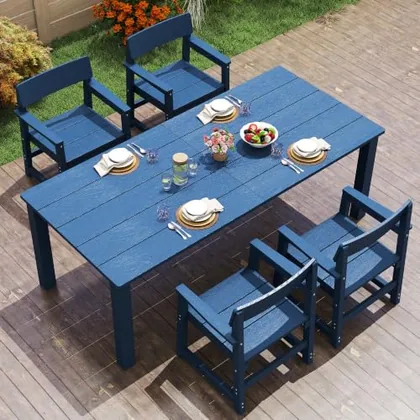
5 Pcs HIPS Patio Dining Set for 4 Outdoor Tables and Chairs Set
4.8(10)5 pieces
$569.99
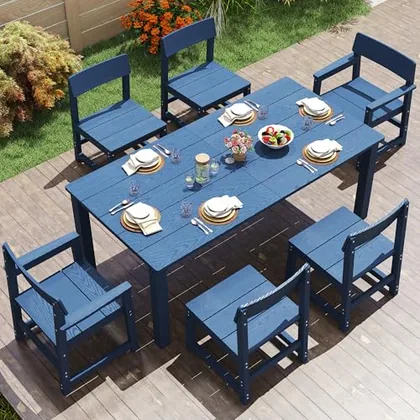
7 Piece Outdoor Patio Dining Set Hips for 6
4.8(10)7 pieces
$559.99
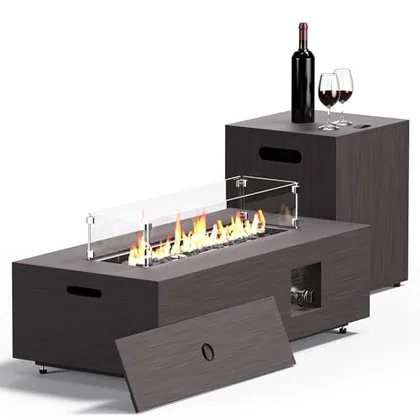
42 in Rectangular Fire Pit Tables 2-Piece 50
4.2(64)2 pieces
$487.58
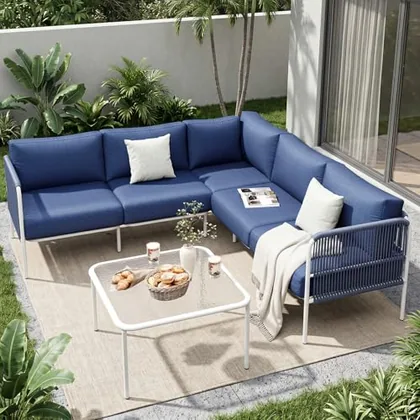
6-Piece Outdoor Patio Furniture Set - L-Shaped Sectional Sofa
5.0(1)6 piecesmetal
$399.99
Certification
Certification, said plainly
| What applies | To what | What it covers |
|---|---|---|
| 16 CFR 1213 / 1513 | Bunk beds | Guardrails, openings and the gap rules for the upper bunk |
| 16 CFR 1261 (STURDY) | Clothing storage units | Stability testing for chests and dressers |
| Published specification | Everything we sell | Materials, dimensions and stated capacity for that piece |
Public safety rules govern furniture of this kind, and the ones that touch our range are named here in plain words.
Here is what a product page carries. Each product page lists the materials we state (engineered wood, metal, upholstery, solid wood, polypropylene, glass), the dimensions we measure, the mattress size where it applies, and the weight capacity we specify for those 101 products where it counts. These figures come from our own measurements and our own assembly checks. They describe the item as we designed it.
A page states the material category rather than a chemical breakdown, and a weight capacity where the piece carries one.
Certain kinds of furniture fall under public safety rules in the United States no matter who manufactures them. Bunk beds must meet 16 CFR Part 1513, the federal standard for guardrail spacing, mattress support, and entrapment gaps. Dressers and chests fall under ASTM F2057, which sets requirements for stability against tip-over.
We design to those standards. We build each new model ourselves, assemble it at full size, and use it for a few weeks before we approve it for production. We set the tolerances on every joint, and we check the hardware through repeated assembly and disassembly instead of a single showroom fit.
Gallery
JOCOEVOL rooms, photographed whole
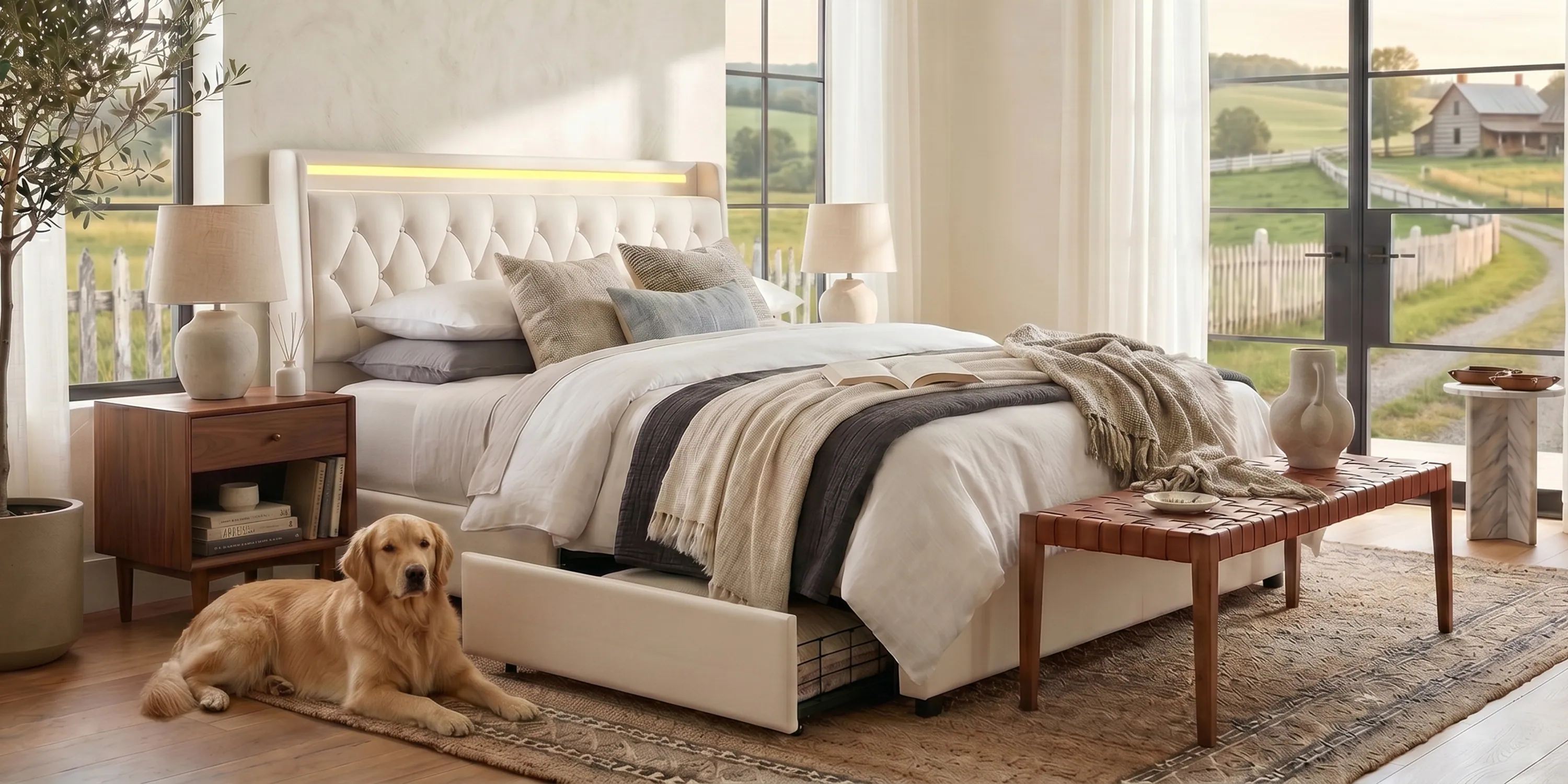
These are rooms we furnished with our own pieces. We make bed frames, bunk beds, dressers, dining tables, living room seating, desks, storage, flooring, and outdoor furniture across nine departments. That adds up to 364 products total.
Many of our bed frames and dressers come with LED lighting. Others have USB ports or power outlets built into the headboard. We work with engineered wood, metal, upholstery, and solid wood, choosing whichever material suits the piece best.
We put these rooms together so you can see how everything looks in a lived-in space. Not a studio arrangement. Browse through and find what works for you.
Guides
JOCOEVOL guides, written for the decision
Questions
Answers before you ask
Do you ship the furniture yourselves?
No. Ordering, payment, delivery and returns all happen at checkout with our retail partner. We publish the range and the specification for each piece.
Where do the star ratings come from?
They are the ratings our customers left, counted once per family of finishes rather than once per product code, and shown on 270 of our 307 pieces. A piece with no rating yet shows no stars at all.
How current are the prices?
We update them on a schedule and show the date of the last update on one page, /prices, rather than repeating it on every card.
Do your beds need a box spring?
Our platform frames carry slats. Where a piece states that a box spring is not required, that is what its specification says.
What is the difference between your bunk beds and a normal frame?
Bunk beds in the United States are governed by a federal rule that sets guardrail height and the gaps around the upper bunk. We cover what that means in the bunk and loft guide.
Can I see the dimensions before buying?
Yes. Every card carries the figures we publish for that piece, and the full specification travels with it at checkout.